 ENG
 INA
FTP Unud Holds Outcome-Based Education (OBE) Curriculum Alignment Workshop for Master of Food Technology
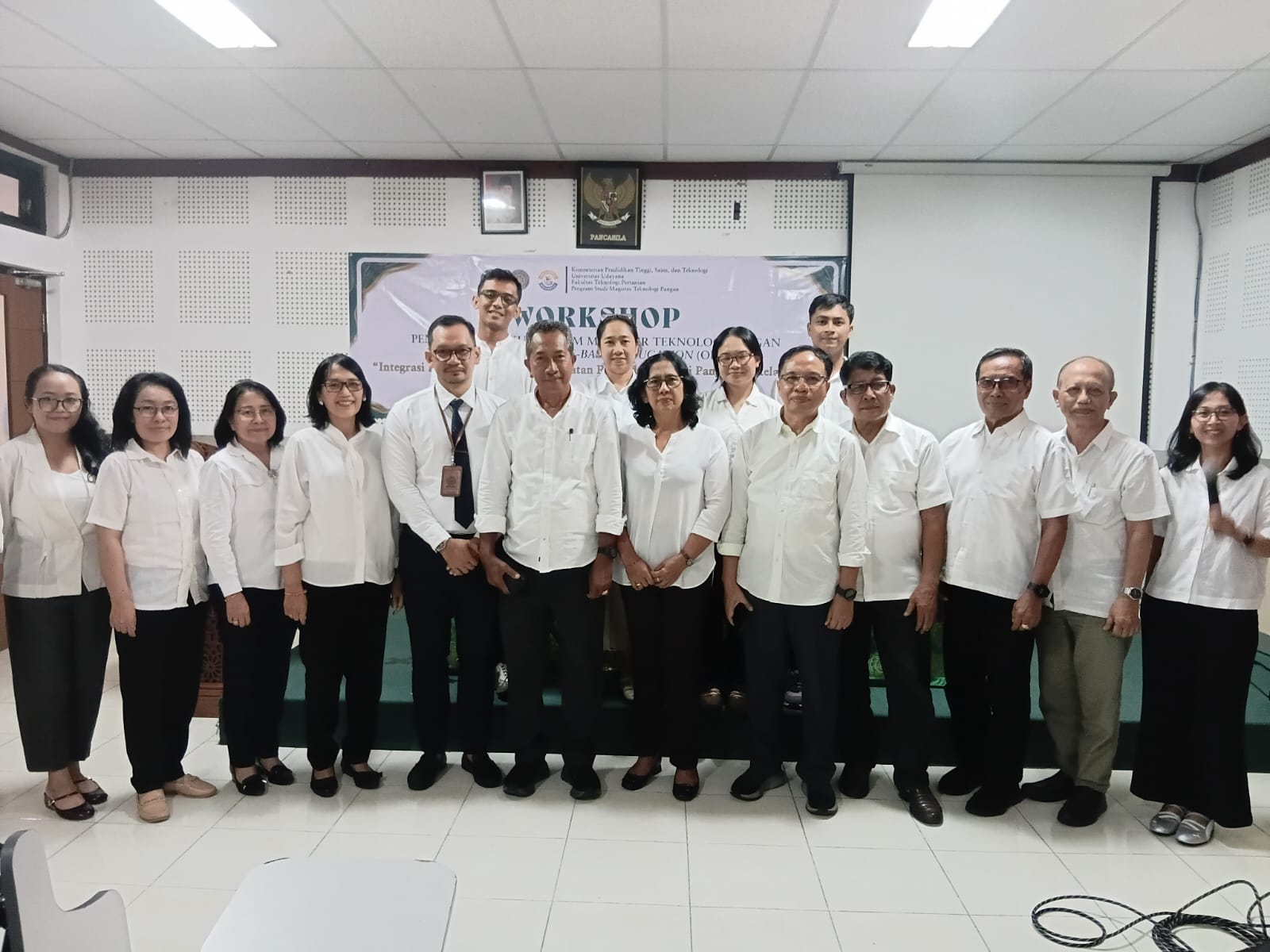
p { line-height: 115%; margin-bottom: 0.1in; background: transparent } Denpasar - The Faculty of Agricultural Technology (FTP) of Udayana University held an Outcome-Based Education (OBE)-Based Curriculum Alignment Workshop for the Master of Food Technology Program on Monday, November 23, 2026, at the FTP Meeting Room, 3rd Floor of the Agrocomplex Building, Udayana University Campus, Jalan P.B. Sudirman, Denpasar. The event adopted the theme "Integrating Industry Needs, Strengthening Research, and Sustainable Food Innovation" as an effort to bolster the relevance of the master's education curriculum to scientific developments, industry demands, and future food sector challenges.
The workshop was officially opened by the Dean of FTP Udayana University, Dr. I Wayan Rai Widarta, S.TP., M.Si. This event served as a strategic forum to gather input from various stakeholders to refine the Master of Food Technology curriculum, particularly in ensuring alignment between graduate learning outcomes and the competencies demanded by the workplace, research development, and sustainable food innovation.
To enrich perspectives during the curriculum alignment process, the workshop featured three keynote speakers representing the industry, professional organizations, and food regulatory agencies. The speakers were Mr. Ir. Adi S. Lukman, Chairman of the Indonesian Food and Beverage Association (GAPMMI); Prof. Dr. Eko Hari Purnomo, S.TP., M.Sc., Chairman of the Central Board of the Indonesian Association of Food Technologists (PATPI); and Mr. Sholihul Khoiri, S.Far., Apt., M.Sc., from the Denpasar Center for Drug and Food Control (BBPOM).
Through presentations and discussions with the speakers, participants gained valuable insights into the competency requirements for graduates in the food industry, strategies to enhance research and innovation capacity, and the critical importance of understanding food safety aspects and regulations. These diverse perspectives serve as key considerations in designing a curriculum that is not only oriented toward theoretical mastery, but also capable of addressing the practical needs of the industrial sector and broader food system developments.
The workshop also engaged alumni representatives and graduate employers, who provided feedback based on their professional experience and on-the-ground competency needs. The involvement of alumni and employers is crucial to ensuring that the developed curriculum remains responsive to workplace dynamics while fostering stronger partnerships among academia, industry, professional bodies, and government institutions.
The event was led by the Organizing Committee Chair, Ir. Ida Bagus Wayan Gunam, M.P., Ph.D., and was attended by the Head of the Master of Food Technology Study Program at Udayana University, Dr. Ir. Komang Ayu Nocianitri, M.Agr.Sc., alongside all study program heads and faculty members of the Master of Food Technology Program at Udayana University.
This OBE-based curriculum alignment is expected to strengthen the link between learning processes and graduate competency achievements. Consequently, graduates of the Master of Food Technology Program at FTP Unud are expected to possess robust analytical and research capabilities, generate innovations, and demonstrate competitive strength amid the rapid evolution of the food industry and the imperatives of sustainable development.
Furthermore, this initiative supports the achievement of Sustainable Development Goal (SDG) 4: Quality Education, through higher education quality improvement driven by relevant, adaptive, and outcome-oriented curriculum design. Involving industry players, professional associations, alumni, and graduate employers in aligning the curriculum represents a tangible step by FTP Unud toward fostering high-quality education that equips students with competencies aligned with current and future demands.
Through this workshop, FTP Unud reaffirms its commitment to continuously elevating the educational quality of the Master of Food Technology Program through collaborative synergy with diverse stakeholders, striving to produce outstanding, innovative graduates who contribute meaningfully to the advancement of the food industry and sustainable development.
UDAYANA UNIVERSITY